We’re Building While Flying:
7 Things States are Talking About
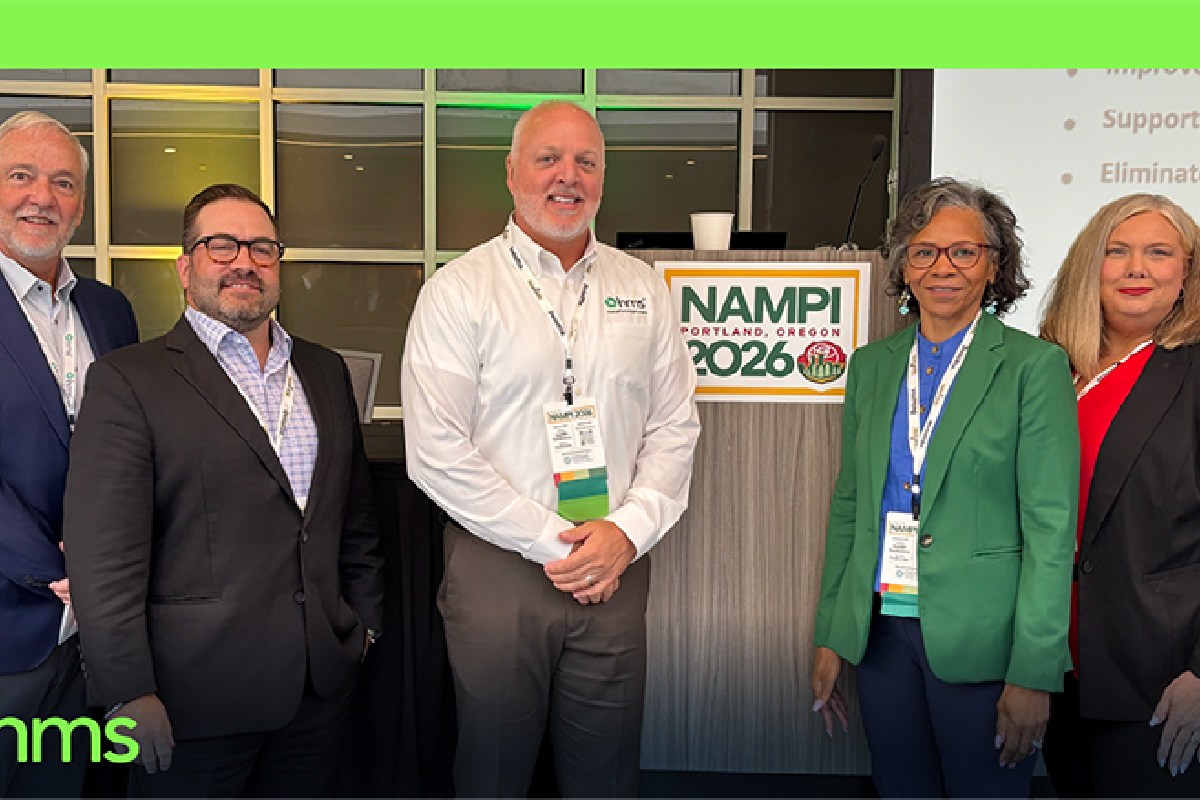
Community Engagement (CE) is no longer a future conversation. At the recent State Healthcare IT Connect Summit CE Day, the tone from state leaders was direct and pragmatic: this is real, timelines are fixed, and execution starts now.
What stood out most wasn’t debate about policy. It was operational reality.
Here are the seven themes we heard consistently from state leaders across sessions and floor conversations.
1. “We’re Building While Guidance Is Still Moving.”
States are actively piloting foundational elements of Community Engagement Verification-exploring hours calculation approaches, exemption handling, data matching strategies, document review processes, and member outreach models-even as they wait for CMS guidance expected in July.
They know adjustments are likely once that guidance is released. Rather than wait for perfect clarity, states are aiming to design configurability and build adaptability into their approach from the outset. The goal is not just to stand up a solution, but to ensure it can evolve without disruption as federal expectations take shape.
Flexibility isn’t optional. It’s foundational.
2. Procurement and Funding Timelines Shape Technical Decisions
Procurement paths and legislative funding approvals are influencing technical design choices. States want to avoid large eligibility system overhauls that slow momentum and require extended approvals.
There is strong interest in modular, independent services that integrate cleanly but operate outside the core eligibility platform – particularly approaches that can stand up quickly without requiring large upfront investment.
With federal funding details still evolving, many states are prioritizing solutions that allow them to begin implementation now and expand over time as funding and guidance become clearer.
3. Staffing Capacity Is Limited and Mandates Are Stacking
States acknowledged they do not have hundreds of staff available to manage manual outreach and verification processes.
Technology must absorb administrative burden- especially around data matching, document intake, outreach optimization, and reporting.
4. Communications Strategy May Determine Outcomes
CMS mandates letters, but most states rely heavily on portals and digital engagement tools.
States are concerned about preventable coverage loss due to confusion, not noncompliance. Plain-language, omni-channel engagement and clear “hours completed vs. needed” views are critical to minimize abrasion and support members.
5. AI Is an Operational Enabler, Not a Buzzword
States are looking to AI to automate document review, prioritize outreach, predict risk, and enable real-time reporting.
Transparency and auditability remain non-negotiable. AI must enhance efficiency while preserving human oversight.
6. Funding Clarity Is Still Evolving
Federal funding details continue to evolve. As procurement and implementation planning moves forward, states are seeking solutions that require minimal upfront investment, deploy quickly, and scale over time.
Deadlines remain firm, and states are moving forward despite funding uncertainties.
7. Coverage Continuity Is the Underlying Priority
States want to implement the mandate without avoidable coverage disruption.
Simplicity, predictability, defensibility, and member-centered design are guiding decision-making. Community Engagement Verification is increasingly viewed as a reusable, modular capability across programs.
What This Means
States are building while guidance evolves and mandates stack. Those designing for flexibility, operational efficiency, and member clarity from day one will move fastest and most confidently.
Community Engagement Verification does not have to be slow, expensive, or disruptive. But the architectural and operational choices made now will determine whether implementation feels reactive or controlled.
States are navigating the complexities of Community Engagement Verification with innovative strategies and a focus on operational efficiency. Are you ready to design for flexibility and member clarity? Let’s move forward together. Read more.