From Data Overload to Decisive Action
Inside MESC 2026 with Medicaid Leaders
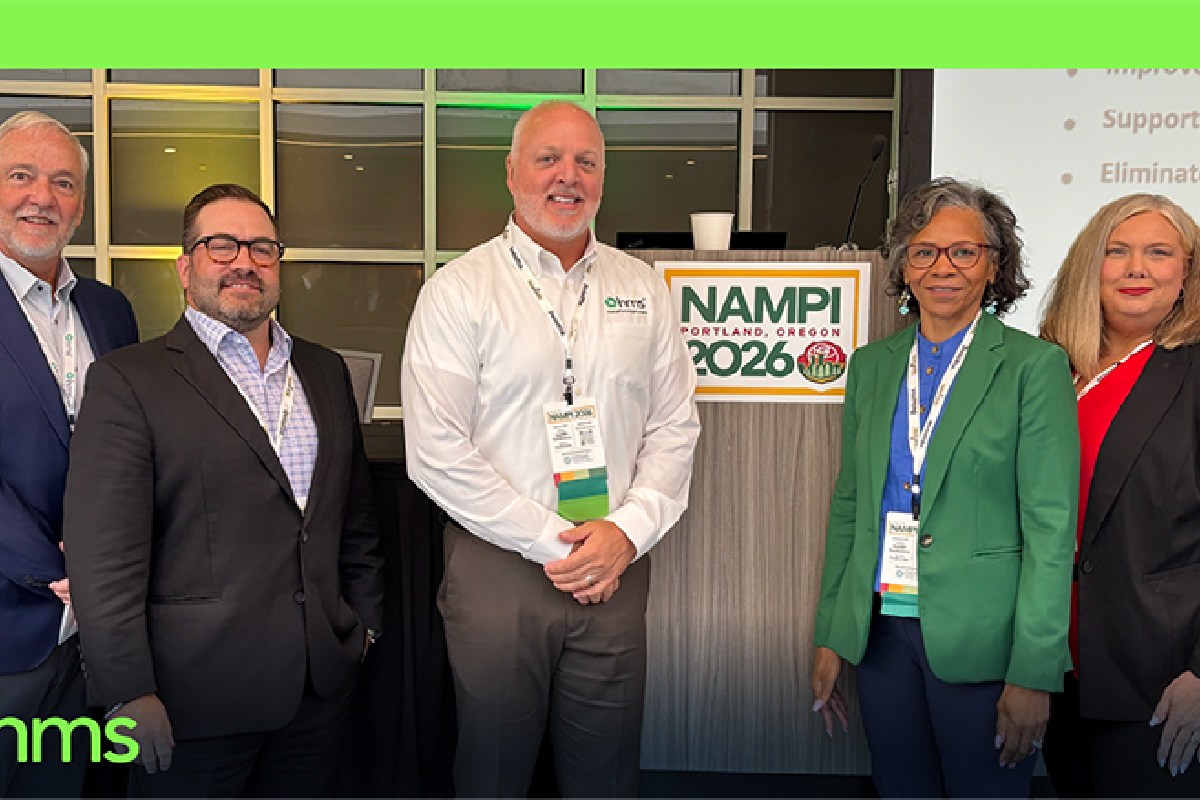
Every Medicaid agency in the country is drowning in data and starving for decisions. That gap was exactly why we created our session for the recently held Medicaid Enterprise Systems Conference in Portland, Oregon, Aug. 17-20: “From Data Overload to Decisive Action.” We brought together a former state Medicaid commissioner, a former CMS executive, and product leaders from Gainwell and Databricks, and asked them to skip the hype and talk about what actually works. What followed was one of the most honest conversations we have heard about the state of Medicaid data, and it is worth sharing beyond the room.
The panel landed on the core problem in the first few minutes. Agencies do not lack information. They lack clarity. More dashboards have not helped leaders see what matters or act with confidence, and the cost of that gap is measured in real time. Cindy Beane, former Commissioner of the West Virginia Bureau for Medical Services, put it bluntly: “The problem is usually finding out about the problem. By the time you discover it, the cat is out of the bag.” When systems stay siloed, the report that could have warned you arrives too late, and the surprise call from the legislature or the governor’s office is already on its way.
Karen Shields, a former CMS executive, sharpened the stakes from the federal side. Her message was that the bar has risen, and Medicaid leaders who want to set their own course need to see and act on their data with far more precision than in years past. CMS is moving fast on data and AI, and the states that treat that as a wake-up call will be the ones still setting their own agenda a year from now.
So what does moving actually look like? Arif Abdul Kareem, Vice President, Public Sector Field Engineering at Databricks, pushed the group past the usual talk about access and storage. The question that matters, he argued, is whether agencies are pulling real insight from their data, and most are not. His prescription was refreshingly practical: “Architect for the future and build for today.” Design for where you want to be in five years, connect the data that matters, and deliver value in phases rather than waiting for a complete enterprise system that never arrives. Shields pointed to meaningful use as the cautionary tale. The federal push to get providers onto electronic health records took roughly a decade to deliver on its promise, and the holdup was never the technology. It was adoption. As she put it, “It’s only meaningful if you use it.”
That principle carried straight into the AI conversation, where the panel refused to get lost in the hype. The best use cases, Kareem explained, “leverage AI to help people get to the decision, without allowing AI to make the decision.” AI can read every document and comb every data set in seconds, then hand investigators the patterns and the evidence behind them. It is already proving itself in fraud, waste, and abuse work, where states like North Carolina are using it to surface what human teams cannot catch fast enough, he said. Shields framed the payoff in terms of accountability rather than caution, urging leaders to not just govern data but to actively encourage, enforce, and incentivize using it well. Connected data, used deliberately, is how agencies move from reacting to preventing.
Beane drew the focus back to accountability. Even with AI in the mix, the audit trail still has to exist for CMS and providers, because the human in the loop is how you defend a finding when it is challenged. She also offered the clearest read on where states actually stand, describing two camps forming. One waits for every rule and guardrail to be perfect before taking a single step. The other has embraced AI and is moving, often with the governor’s office pushing from behind. Her warning was direct. The agencies that wait will be left behind and left behind is not a small thing. It means missing funding, missing programs, and missing the chance to shape their own future.
Yasin Turkcan, Gainwell Senior Vice President of Product and Innovation, left the audience with a clear takeaway: Think big, start small, and act fast. Do not treat this as an IT project. Lead the change management from day one, architect for the future, build for today, and use AI to get you to a decision rather than make it for you. The frontrunners are not waiting, and the leaders who left this session understood exactly why.
Want to see what actionable intelligence looks like in practice? Contact us.